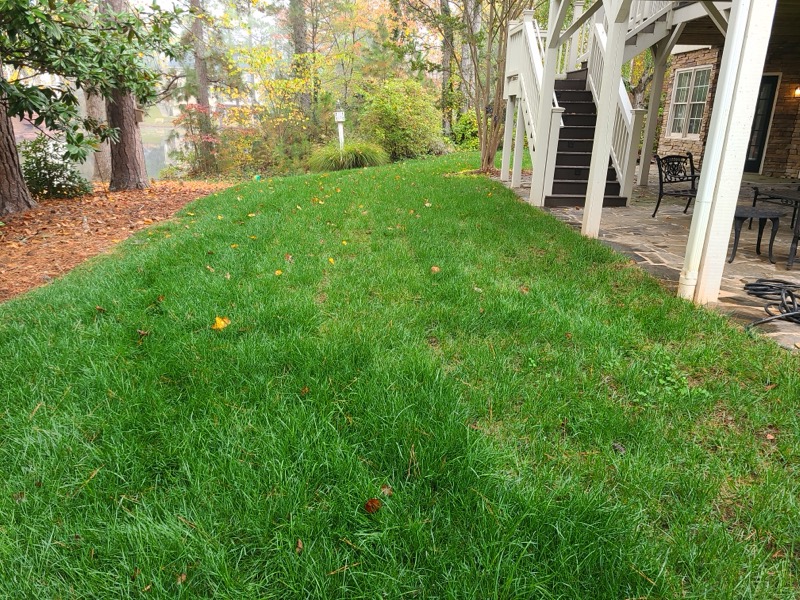
Spring in Atlanta arrives gradually. Some years, February feels like spring. Other years, March delivers one last cold snap that catches everyone off guard. Your lawn does not care about the calendar. It responds to soil temperature, daylight, and moisture.
That is why a month-by-month approach works better than a fixed schedule. Conditions change from year to year, and your spring lawn care tasks need to flex with them.
This checklist covers everything you need to do from March through May to set your North Georgia lawn up for a great year. We have organized it by month and flagged which tasks apply to warm-season grasses (bermuda, zoysia) versus cool-season grasses (fescue).
Before Spring: Late February Prep Work
Spring lawn care actually starts in late winter. A few minutes of preparation in February saves headaches later.
Check Your Equipment
Pull out the mower. Does it start? Check the oil. Check the air filter. Most important: sharpen or replace the blade. A dull mower blade tears grass instead of cutting it cleanly. Torn blades turn brown at the tips and create entry points for disease.
If you use a string trimmer, replace the line. Check the edger blade. Make sure your blower runs. Getting this done in February means you are ready when the grass starts growing instead of scrambling.
Clean Up Winter Debris
Walk your property and pick up branches, leaves, and anything else that accumulated over winter. Debris left on the lawn blocks sunlight and traps moisture, both of which can cause problems as the turf starts to grow.
A light raking also helps lift matted grass blades. Do not power-rake or dethatch yet. That comes later, if needed. Just clean up the surface.
Inspect the Irrigation System
If you have an irrigation system, now is the time to run a quick check. Turn each zone on manually and walk the yard. Look for broken heads, clogged nozzles, and misaligned sprinklers. Fix any issues before you need the system in earnest.
Adjust the watering schedule for early spring. Your lawn does not need summer-level irrigation yet. Start with minimal supplemental water and increase as temperatures rise.
Soil Test (If You Have Not Done One Recently)
A soil test tells you exactly what your lawn needs. Submit a sample to your county Extension office or a private lab. Results typically take one to two weeks. You will get pH readings and nutrient levels along with recommendations for lime and fertilizer.
Georgia clay is usually acidic. If your pH is below 6.0, the test will recommend lime. Apply it now so it has time to work into the soil before the heavy growing season. Soil tests cost about $10 to $25 and can save you hundreds in unnecessary fertilizer.
March: The Starting Gun
March is when spring lawn care gets real in North Georgia. Soil temperatures are rising. Days are getting longer. The lawn is waking up.
Apply Spring Pre-Emergent (All Grass Types)
This is the most time-sensitive task of the entire spring. Pre-emergent herbicide prevents crabgrass, goosegrass, and other summer annual weeds from germinating. But it only works if you apply it before the weed seeds sprout.
Timing: Apply when soil temperatures at a two-inch depth reach 55 degrees Fahrenheit for four to five consecutive days. In the Alpharetta area, this usually happens in early to mid-March.
The forsythia trick: When you see forsythia bushes blooming bright yellow around town, it is time to apply pre-emergent. This old-school indicator lines up surprisingly well with soil temperature thresholds.
Water the pre-emergent in within 24 to 48 hours of application. The product needs moisture to activate and bond with the soil surface.
If you are not sure about timing or product selection, our weed management program handles all pre-emergent applications based on real-time soil temperature monitoring.
First Mow: Fescue
Fescue starts growing as soon as temperatures warm above 50 degrees. By mid-March, most fescue lawns in North Georgia need their first cut.
Mowing height: 3 to 3.5 inches. Do not cut fescue shorter than 3 inches. That extra height shades the soil and helps the grass survive summer.
Mowing tip: Bag or rake the first mowing if there is leftover leaf debris mixed in. After that, mulch-mowing returns nutrients to the soil and is generally preferred.
Spot-Treat Winter Weeds (All Grass Types)
If you had winter weeds like henbit, chickweed, or annual bluegrass, many of them are still hanging on in March. A post-emergent broadleaf herbicide takes care of them. Spot-treat rather than blanket-spray to minimize herbicide use.
These winter annuals will die on their own as temperatures rise, but removing them now prevents seed production and reduces next year’s weed pressure.
Lime Application (If Soil Test Recommends It)
If your soil test showed a pH below 6.0, apply pelletized lime now. Most Georgia lawns benefit from lime every two to three years. Proper pH helps your grass access the nutrients in the soil. All the fertilizer in the world will not help if the pH is off.
Apply at the rate recommended by your soil test. Do not guess. More lime is not better. Overliming can push pH too high, which creates its own set of problems.
April: Growth Kicks In
April is a beautiful month for lawns in North Georgia. Temperatures are comfortable. Rain is usually adequate. Everything is growing.
First Mow: Bermuda and Zoysia
Bermuda and zoysia break dormancy gradually as soil temperatures warm above 65 degrees. By mid to late April, most warm-season lawns have greened up enough for the first mow.
Bermuda mowing height: 1 to 2 inches. If you want that tight, manicured look, keep it at 1 to 1.5 inches. This requires more frequent mowing.
Zoysia mowing height: 1 to 2 inches. Zoysia grows slower than bermuda, so weekly mowing is usually sufficient.
Timing tip: Do not mow warm-season grass while it is still mostly dormant. Wait until it is at least 50 percent green. Mowing brown, dormant grass does nothing productive and can damage the crowns.
Address Bare Spots in Bermuda
If your bermuda lawn has bare spots from winter damage, April is the time to address them. Bermuda’s aggressive spreading habit means small spots may fill in on their own once growth kicks in. Larger bare areas benefit from patching with sod or plugging.
Our sod installation service can patch bare spots or replace larger sections of damaged turf.
Monitor Fescue for Disease
As nighttime temperatures climb above 60 degrees, brown patch fungus becomes a threat to fescue lawns. Watch for circular patches of brown or yellowed grass with a darker “smoke ring” border.
If you catch brown patch early, cultural changes can help. Reduce watering frequency. Avoid evening irrigation. Improve air circulation by trimming low tree branches. Fungicide applications may be necessary for severe cases.
Prevention tip: Do not fertilize fescue with nitrogen in late spring. Pushing growth right before summer heat and disease pressure arrive is counterproductive.
Edge All Hardscapes
Give your lawn a crisp edge along every sidewalk, driveway, and bed line. Winter growth often blurs these lines. A clean edge is one of the quickest ways to make your entire property look sharper.
Our maintenance crews edge on every visit because the difference is dramatic.
Check Mulch Depth in Beds
Inspect your landscape beds. Has the mulch broken down over winter? If the layer is less than two inches, it is time to refresh. Fresh mulch suppresses weeds, retains moisture, and gives beds a polished look that complements your lawn.
Our mulch and pine straw service handles delivery and installation. Spring is the most popular time for mulch refreshes.
May: Full Speed Ahead
By May, North Georgia is in full growing mode. Bermuda and zoysia are hitting their stride. Fescue is still going but starting to slow as heat builds. Your maintenance routine should be fully established by now.
Fertilize Bermuda and Zoysia
Once warm-season grasses are fully green and actively growing, it is time for the first fertilizer application. This is usually early to mid-May in North Atlanta.
Bermuda: Apply one pound of nitrogen per thousand square feet. Use a slow-release nitrogen source to avoid burning and to provide steady feeding over several weeks. Bermuda responds strongly to nitrogen and will reward you with dense, dark green growth.
Zoysia: Apply a half to three-quarters pound of nitrogen per thousand square feet. Zoysia needs less nitrogen than bermuda. Over-fertilizing zoysia leads to excessive thatch buildup.
Do not fertilize fescue in May. This is important. Nitrogen applied to fescue in late spring encourages the kind of lush, tender growth that brown patch fungus loves. Save the heavy fertilization for September.
Increase Mowing Frequency
Bermuda is growing fast now. Most bermuda lawns need mowing every five to seven days in May. Some vigorous lawns may need it every four to five days. Do not let bermuda get too tall between cuts. The one-third rule matters: never remove more than one-third of the blade height in a single mowing.
Fescue still needs weekly mowing. Keep it at 3.5 inches. This is not the time to experiment with a shorter cut.
Adjust Irrigation
As temperatures climb and rain becomes less reliable, increase your irrigation schedule. Water deeply and less frequently. One inch of water twice a week is better than a quarter inch every day. Deep watering encourages deep root growth, which is critical for summer survival.
Water in the early morning. Before sunrise is ideal. Watering in the afternoon wastes water to evaporation. Watering in the evening leaves grass wet overnight and invites fungal disease.
Watch for Pests
Late spring is when several turf pests become active in North Georgia.
Armyworms: These caterpillars can devour a lawn in days. Watch for birds feeding heavily on your lawn, which is often the first sign. Look for chewed leaf blades and small green caterpillars in the turf.
Grubs: White grubs feed on grass roots below the surface. Damaged turf pulls up like loose carpet. If you suspect grubs, peel back a section of sod and count them. More than five per square foot is a problem.
Mole crickets: Less common in North Georgia than the coast, but they appear occasionally. They tunnel through the soil and damage roots. Look for raised trails in the turf surface.
Plan Summer Projects
May is a great time to plan larger landscape projects for summer or fall. Thinking about a new patio? A privacy screen? A landscape redesign? Getting the design work done now means you are ready to install when the timing is right.
Our design team can create a custom plan for your property. Starting the conversation early gives us time to source materials and schedule the crew.
Ongoing Spring Tasks
These tasks apply throughout the spring season and do not fit neatly into one month.
Sharpen Mower Blades
Sharpen or replace blades every 20 to 25 hours of mowing. A dull blade tears grass rather than cutting it. Torn tips turn white or brown and make the entire lawn look dull. They also create openings for disease.
Pull Weeds Before They Seed
Any weed that escapes pre-emergent should be pulled or spot-treated before it goes to seed. One dandelion that goes to seed produces hundreds of seeds. One crabgrass plant can produce 150,000 seeds. Remove weeds early and you reduce next year’s weed pressure dramatically.
Monitor Soil Moisture
Stick your finger into the soil regularly. If the top two inches are dry, it is time to water. Overwatering is just as damaging as underwatering. Soggy soil suffocates roots and creates conditions for fungal disease.
Stay Off Wet Turf
Avoid walking on or mowing wet grass. Foot traffic on saturated soil compacts it. Mowing wet grass produces an uneven cut and can spread disease. Wait until the turf dries out.
Keep Records
Note when you applied pre-emergent, fertilizer, and lime. Track when you first mowed and what the soil temperatures were. These records make next year’s spring easier because you have actual data instead of guesses. A simple note on your phone works fine.
Common Spring Lawn Care Mistakes in Georgia
Fertilizing too early. Applying nitrogen to bermuda or zoysia before it is fully green wastes product and feeds early-season weeds instead of your grass. Wait until your warm-season lawn is actively growing.
Mowing too short. Scalping the lawn in spring exposes soil to sunlight and weed seeds. Cut at the proper height for your grass type from the very first mow.
Skipping pre-emergent. Once crabgrass germinates, pre-emergent cannot help. The window is narrow. Do not miss it. If you are not confident in your timing, let a professional handle it.
Overwatering in spring. Spring usually provides adequate rainfall. Running your irrigation on a summer schedule in March wastes water and can cause shallow root development.
Ignoring the soil test. Applying fertilizer without knowing your soil pH and nutrient levels is like cooking without tasting. You might get lucky, but the odds are not in your favor.
Let Us Handle Your Spring Lawn Care
Spring sets the tone for the entire year. Get it right and your lawn rewards you with thick, healthy turf all season. Miss key steps and you spend the summer playing catch-up.
At Rivendell Estate Care, our lawn maintenance and weed management programs cover every item on this checklist. We handle pre-emergent timing, mowing schedules, fertilization, and seasonal adjustments so you can enjoy your lawn instead of stressing over it.
We serve homeowners across Alpharetta, Roswell, Milton, Johns Creek, Sandy Springs, and the greater North Atlanta area. Whether you need weekly mowing or a comprehensive lawn care program, we tailor our services to your grass type, your property, and your goals.
Contact us for a free estimate. Spring is here. Let’s make this your lawn’s best year yet.