Weed Control Tips for North Georgia Homeowners
Between our treatments, here’s what you can do to help your lawn fight weeds on its own.
Mow High
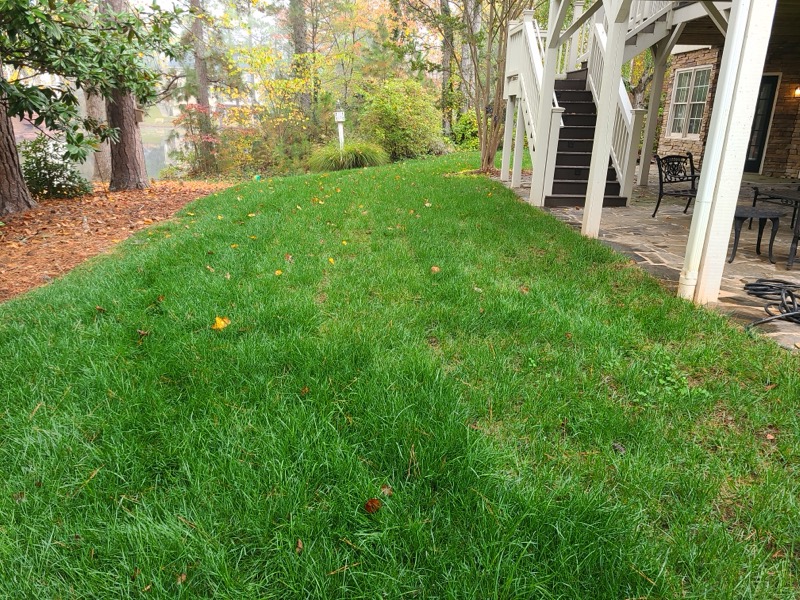
Keeping your grass at the upper end of its recommended height shades the soil and cuts off sunlight that weed seeds need to germinate. This is especially important for Fescue lawns during spring crabgrass season. Taller grass means fewer weeds. It’s that simple.
Water Deep, Less Often
Shallow, frequent watering encourages shallow root systems in your turf — and creates surface moisture that weed seeds love. Deep, infrequent watering pushes grass roots down and lets the soil surface dry between sessions. Your lawn gets stronger. Weeds get less.
Don’t Skip the Fall Pre-Emergent
A lot of homeowners focus on spring weed prevention and completely forget about fall. But winter annual weeds germinate in September and October. They sit low through the cold months, then explode in early spring when you’re wondering where all the weeds came from. That fall pre-emergent application matters just as much as the spring one.
Fix Bare Spots Fast
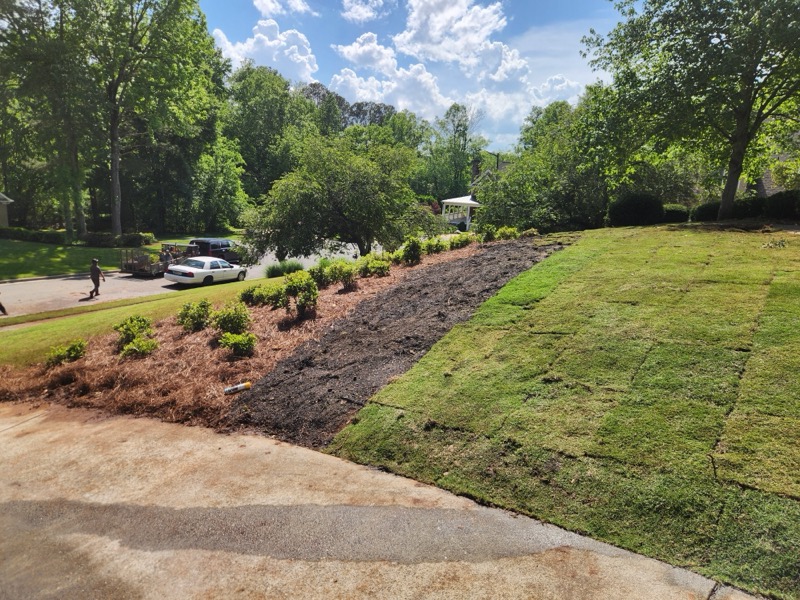
Any bare patch of soil is an open invitation for weeds. If you see thin or bare areas developing, let us know. We can overseed, patch with sod, or adjust the maintenance approach to help those areas fill in. A thick, dense lawn is your best long-term weed defense — nothing else comes close.
Address the Soil
North Georgia’s red clay compacts over time, which weakens turf and gives weeds an advantage. Annual aeration breaks up that compaction and helps your grass compete. And if drainage is poor, weeds like nutsedge will thrive in the wet conditions. Sometimes the weed problem is really a soil problem in disguise.